
The Heavy Weight of Debt: A Personal Wake-Up Call
Have you ever stared at a pile of credit card bills and felt your stomach drop? You are certainly not alone. I know exactly how tempting it is to click on that ad promising to magically combine all your payments into one easy monthly bill. But before you sign away your financial freedom, you need to know the dirty secrets lenders hide in the fine print. Let's talk about how to actually fix your debt without falling into a trap that costs you thousands of dollars.
The idea of rolling all that chaos into one neat, single monthly payment sounds incredibly appealing. It promises instant relief, a lower monthly output, and the illusion of finally being back in control. Lenders aggressively market these programs to people who are exhausted and desperate for a lifeline.
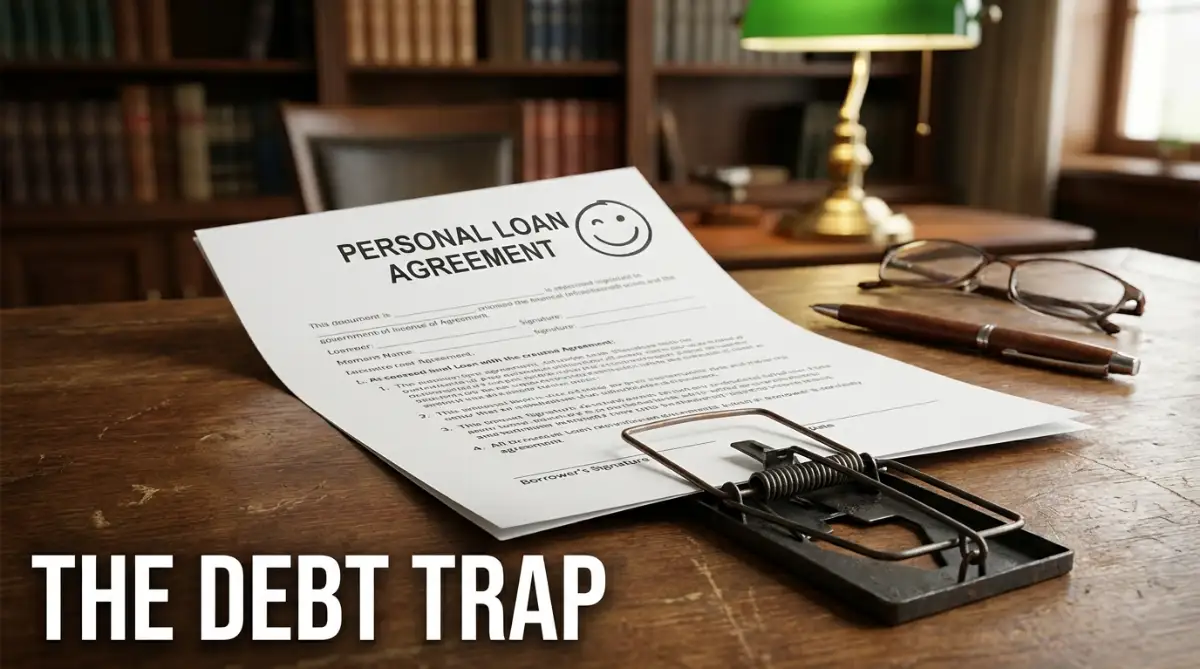
But here is the harsh reality that most financial institutions will not tell you upfront. These seemingly helpful consolidation programs often contain hidden financial landmines designed to keep you in debt much longer than you originally planned. They prey on your desire for immediate relief while quietly siphoning away your future wealth.
If you are currently considering rolling your credit cards into a single personal loan, you need to pause right now. You must understand exactly how these financial products are structured before you sign your name on the dotted line. Let's break down the invisible traps waiting for you and how you can protect your hard-earned money.
Before You Read Further (Quick Takeaways):
-
Consolidating debt stretches out your payment timeline, usually costing you way more interest in the long run.
-
Watch out for sneaky "origination fees" that steal your money right off the top before you even get the loan.
-
Seeing zero balances on your old credit cards is a dangerous psychological trick—do not start spending again!
-
Always try DIY methods like the "Debt Snowball" before signing a new contract with a bank.
The Dangerous Illusion of the "Lower Monthly Payment"
When a bank offers to consolidate your debt, their biggest selling point is always the lower monthly payment. Let us say you are currently paying $600 a month across four different credit cards. The bank swoops in and offers you a new loan where you only have to pay $350 a month.
Instantly, you feel a massive sense of relief. You just freed up $250 a month in your personal budget! It feels like you just got a raise at work. However, this feeling of newfound wealth is exactly where the biggest trap lies.
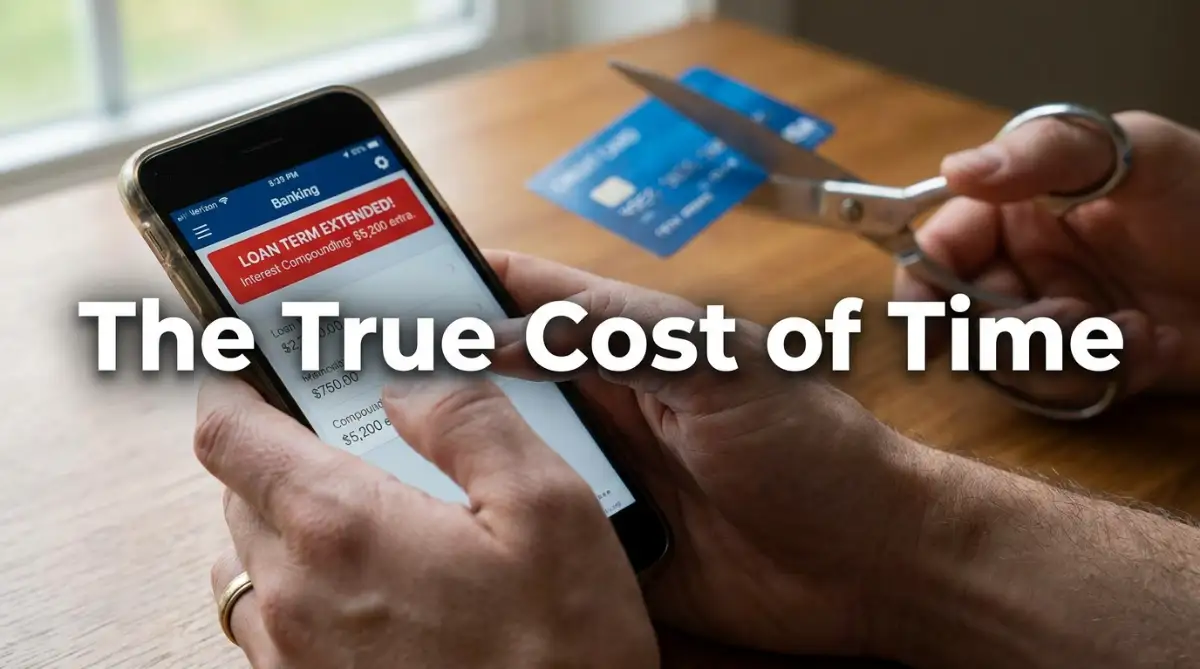
To lower your monthly payment so drastically, the lender usually does something very specific: they stretch out the timeline of your loan. Instead of paying off your credit cards in two or three years, you are now locked into a five- or even seven-year repayment plan.
This extended timeline is a mathematical disaster for your long-term finances. While your monthly burden feels lighter today, the total amount of interest you will pay over the next seven years will often skyrocket. You are essentially paying a massive premium just for the convenience of having only one due date.
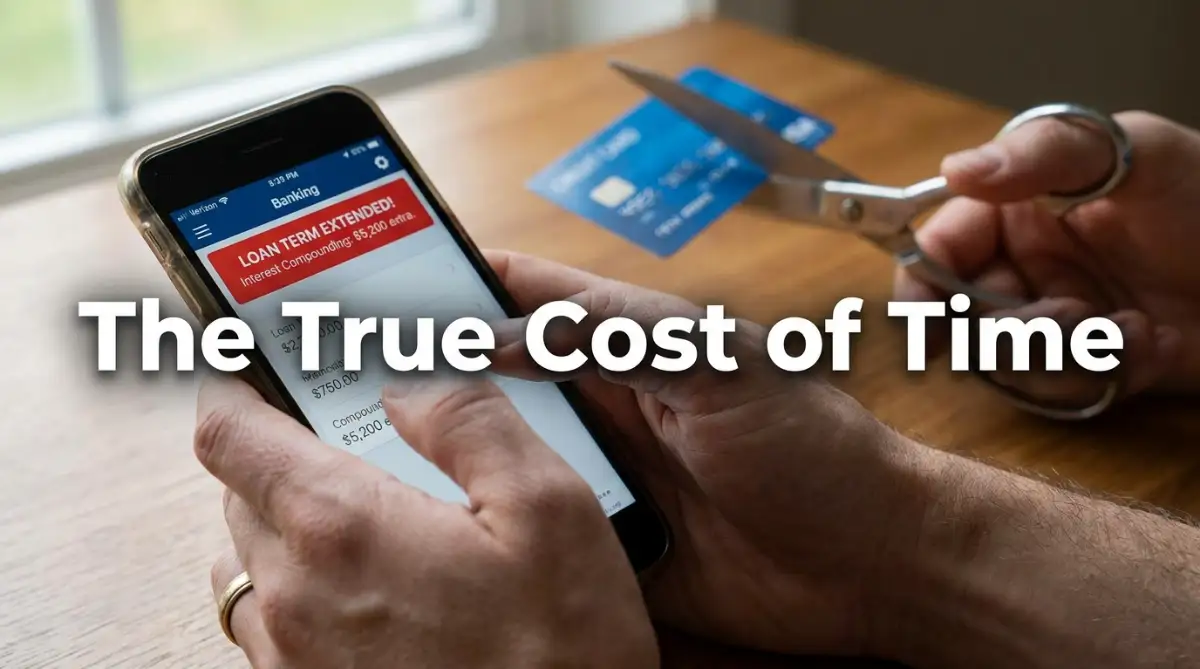
Understanding the True Cost of Time
Think about it like buying a car. If you take out a 72-month auto loan instead of a 36-month loan, your monthly payment drops significantly. But by the time you actually own the car, you have paid thousands of dollars more in pure interest to the bank.
Debt consolidation works the exact same way. The bank is not doing you a favor; they are securing a guaranteed stream of income from you for a much longer period. They are betting that you care more about your immediate cash flow than your total overall cost.
Before you agree to any new financial product, you must look beyond the monthly payment amount. You need to ask the lender for the "Total Cost of the Loan." Compare that specific number to what you would pay if you simply aggressively paid down your current accounts. The difference will probably shock you.
Watch exactly how lenders use extended terms to quietly drain your savings over time.
I made this exact mistake early in my career. I consolidated my student loans to lower my payment by $100 a month so I could afford a nicer apartment. I did not realize until years later that my "smart move" added nearly $8,000 in extra interest to my total balance. Always run the long-term math before making a short-term comfort decision.
The Hidden Fees That Destroy Your Savings
When you are desperate for financial relief, you tend to ignore the tiny print at the bottom of the contract. Consolidation lenders are notorious for packing their agreements with hidden costs that eat directly into your supposed savings.
The most common culprit is the "Origination Fee." This is an upfront charge the lender takes simply for processing your new loan. These fees can range anywhere from 1% to a staggering 8% of the total loan amount.
If you are borrowing $20,000 to pay off your credit cards, a 5% origination fee means the bank immediately takes $1,000 right off the top. They add that $1,000 to your total balance, meaning you are now paying interest on the fee itself. Suddenly, that great new interest rate does not look so helpful anymore.
Real-World Cost Example:
Furthermore, many of these loans come with strict prepayment penalties. Imagine you get a new job or a nice bonus at work, and you want to pay off your new loan early to save on interest. Some lenders will actually charge you a heavy fee for paying them back ahead of schedule!
They do this to guarantee they make a certain amount of profit off you, regardless of how quickly you want to be debt-free. You must explicitly ask the loan officer if there are any penalties for early repayment. If they say yes, you should immediately walk away and find a different financial institution.
The Psychological Trap of Empty Credit Cards
Perhaps the most dangerous part of debt consolidation is not mathematical; it is entirely psychological. The day your new loan goes through, the bank sends checks to all your different credit card companies. Suddenly, you log into your accounts and see zero balances across the board.
It feels like a clean slate. You feel incredibly proud of yourself for finally getting your finances organized. But here is the critical problem: you still have the exact same amount of debt. You just moved it from four different plastic cards into one big personal loan.
Because human beings are highly visual creatures, seeing those zero balances tricks our brains into thinking we are suddenly wealthy. We feel comfortable again. The intense pressure that motivated us to fix our finances suddenly vanishes completely.
The Double-Debt Nightmare Scenario
Without that daily stress pushing you, it is incredibly easy to slip back into your old spending habits. You might go out to a nice dinner to celebrate your "clean slate." Then, a month later, your car needs new tires, and since your credit card is empty, you just swipe it.
Before you know it, you are slowly running up balances on those old credit cards again. But now, you also have the massive monthly payment from the consolidation loan you took out. This is what financial experts call the "Double-Debt Trap."
This scenario is far more common than you might think. Studies show that a massive percentage of people who consolidate their credit cards end up with even more total debt just two years later. They did not fix the root cause of their financial problems; they only treated the symptoms.
To prevent this from happening, you must take drastic action the moment your consolidation loan clears. You should literally take a pair of scissors and cut up the physical credit cards. Remove the saved card numbers from your phone, your internet browser, and your favorite online shopping accounts.
You do not necessarily need to close the accounts, as that can negatively impact your credit score, but you must make it physically difficult to use them. You have to force yourself to live strictly on the cash you have in your checking account while you pay down the new big loan.
Why Your Root Behavior Needs to Change
Debt is rarely just a math problem. Most of the time, debt is a behavior problem. We use credit cards to bridge the gap between what we earn and the lifestyle we want to live. If you consolidate your bills without changing how you interact with money, you are destined to repeat the cycle.
You have to sit down and honestly evaluate why you got into trouble in the first place. Was it a medical emergency, or was it a habit of buying things you did not actually need? If you do not build a strict, written monthly budget, no financial product in the world can save you.
Start tracking every single dollar that leaves your bank account. Use a simple notebook or a free app on your phone. When you physically see how much money you are spending on takeout coffee or online subscriptions, you start to regain real control over your future.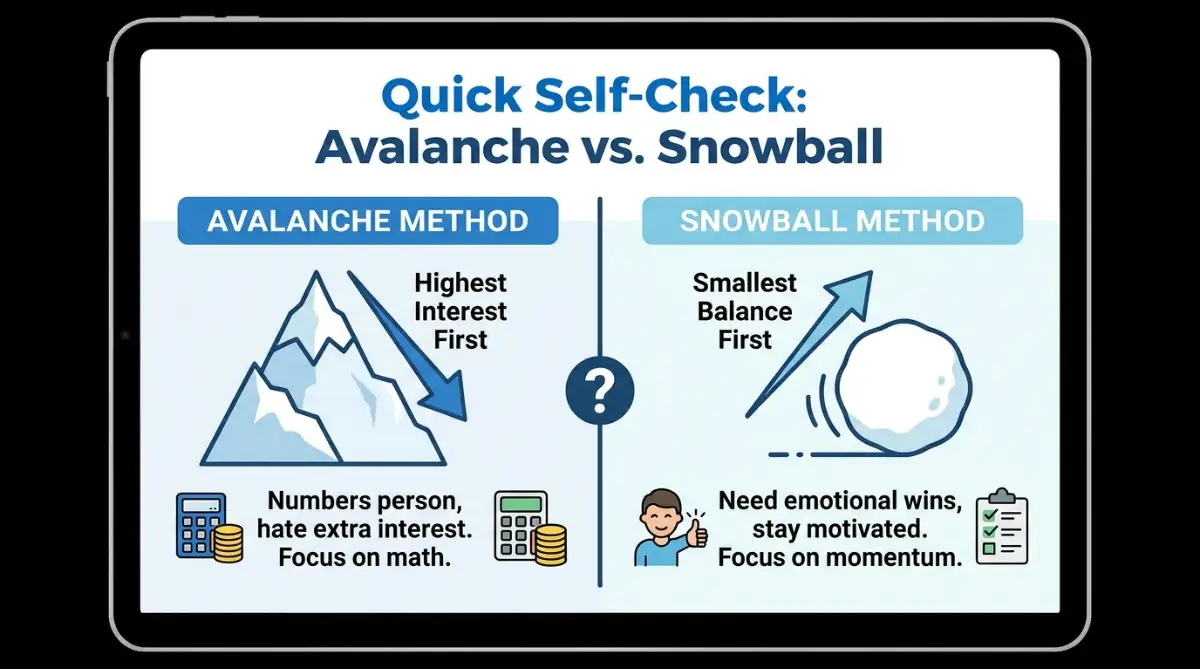 Consolidation is a tool, exactly like a hammer. If you use it correctly with a solid plan, it can help you build a strong financial house. But if you swing it blindly without changing your habits, you will end up smashing everything you have worked so hard to achieve. You have to fix the spender before you can fix the spending.
Smarter Alternatives to the Consolidation Trap
Before you sign any long-term contract with a lender, you need to explore safer options that do not put your financial future at massive risk. Often, the best way to handle debt does not involve taking out a brand-new loan at all. You can use your own income and a bit of tough negotiation to solve the problem from the inside out.
One highly effective strategy is using the "Debt Avalanche" method. You list all your current debts and focus every single spare dollar on the card with the highest interest rate, while just paying the minimums on the rest. Mathematically, this saves you the most money over time because you are attacking the debt that grows the fastest.
If you need a quick psychological boost, the "Debt Snowball" method might work better for you. You pay off your smallest balance first, regardless of the interest rate. Once that small card is clear, you roll that payment amount into the next smallest balance, creating momentum that keeps you motivated.
Quick Self-Check: Avalanche vs. Snowball
Not sure which method to pick? If you are a strict numbers person who hates paying extra interest to banks, go with the Avalanche method. If you need fast emotional wins to stay motivated (like I did), the Snowball method is your best bet to stay on track.
Sometimes, you can even bypass banks completely by picking up the phone and calling your credit card companies directly. You would be amazed at how often they will lower your interest rate or waive late fees if you simply explain you are facing a temporary hardship. Negotiating directly with lenders shows you are proactive and want to pay them back without resorting to bankruptcy.
The Power of Balance Transfer Cards (If Used Correctly)
A zero-percent balance transfer credit card can be a powerful tool to pause your interest payments for 12 to 18 months. You essentially move your high-interest balances onto this new card, allowing you to attack the principal amount directly. It acts like a temporary consolidation loan but without the long-term commitment.
However, this tool comes with a massive warning label. If you do not pay off the entire balance before that introductory zero-percent period ends, the bank will hit you with a massive interest rate on the remaining money. Sometimes, they even back-charge you for the interest you "saved" during the promo period.
You absolutely must have a rigid, written plan to pay off the card before the deadline. Divide the total balance by the number of zero-interest months, and make that exact payment every single time. If you cannot afford that specific monthly amount, a balance transfer card is not a safe option for you.
Huge Mistakes That Will Sink Your Financial Ship
When people feel trapped by debt, they tend to make highly emo