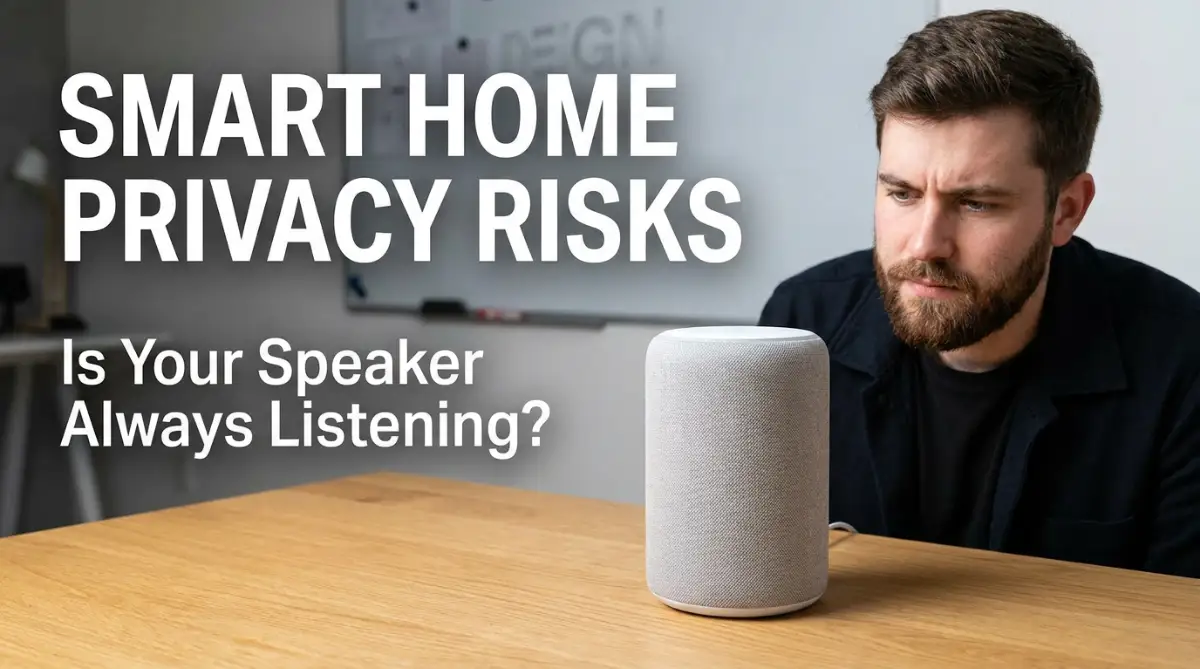
The Creepy Reality of the "Always-On" Microphone
Imagine sitting in your living room, having a deeply personal conversation with a close friend about a medical condition. The house is quiet, and you feel completely secure in your own private space.
But a few hours later, you open your phone and see a highly specific advertisement for a related medical treatment. A cold chill runs down your spine.
Did your phone listen to you? Did your smart speaker pick up your secrets? This is not a scene from a science fiction movie; it is a common experience that leaves thousands of people feeling violated and anxious in their own homes.
We bring these shiny, helpful devices into our bedrooms, kitchens, and living spaces to make life easier. We want to check the weather, set timers, or play our favorite music without lifting a finger.
But in exchange for this tiny bit of convenience, we unknowingly invite a permanent listener into our most private moments. The boundary between public data and private conversation has completely disappeared.
You might joke about your devices spying on you, but deep down, that lingering feeling of being watched creates a subtle, heavy stress. Your home should be your ultimate safe zone, not a digital data-mining factory.
When you cannot freely speak your mind without wondering if a tech company is recording your words, you lose a basic human right: the right to absolute privacy.
How Your Smart Gadgets Actually Process Sound
Most people believe their smart speakers only wake up when they hear a specific command. You might think the device is completely asleep until you call its name.
However, the technology behind voice activation requires continuous audio monitoring. To catch that specific wake word, the microphone must stay active and process every single sound in the room.
Think of it like a guard dog sitting at your front door. The dog might not bark at every passing car, but it is always listening, always evaluating the noise.
Your smart device acts exactly the same way. It records small fragments of audio, processes them locally, and throws them away if the wake word is absent.
But this system is deeply flawed. Background noise, television dialogue, or even regular conversations often contain sounds that mimic the wake word.
When this happens, the device accidentally triggers and starts recording your private discussions. These accidental recordings are then sent straight to remote cloud servers.
The Problem with "Accidental Triggers"
Accidental triggers happen much more frequently than tech companies like to admit. You might be arguing with your spouse or discussing sensitive financial details, completely unaware that a device in the corner is silently recording.
Once that audio file hits the cloud, you lose all control over it. It is no longer just sound in your room; it becomes a permanent digital file.
Expert Insight: Independent security researchers have found that many popular smart devices activate by mistake up to 19 times a day. That is nearly 20 private moments unintentionally captured and stored every single day.
Unpacking the Hidden Data Collection Economy
To understand the real danger, we need to look at how tech companies make their money. These massive corporations do not sell smart speakers at a low price just to be nice.
They sell these devices cheaply because the real product is not the hardware. The real product is you.
Your habits, your daily routines, and your voice commands are incredibly valuable pieces of data. Companies build complex psychological profiles based on the things you ask your voice assistant.
If you ask about baby formula, they know you have a child. If you ask for sad music, they might assume you are going through a tough time emotionally.
Where Do Your Voice Recordings Actually Go?
Most consumers assume a robot or a computer algorithm is the only thing listening to their voice clips. This is a very common misconception.
In reality, many major tech companies hire human contractors to listen to random samples of user recordings. They claim this is necessary to improve voice recognition software.
- Fact: Real human beings sitting in offices around the world have listened to private arguments, medical discussions, and intimate moments recorded by smart speakers.
- Fact: These contractors often share funny or disturbing clips in their internal company chat groups.
This human element completely shatters the illusion of automated privacy. You are not just talking to a machine; you might be talking to a stranger sitting thousands of miles away.
Myth vs. Reality: Smart Home Privacy
Let us clear up some common misunderstandings about how these devices operate in your daily life.
Myth: If I do not use my smart speaker for a few days, it goes into a deep sleep mode and stops listening entirely.
Reality: Unless you physically unplug the device or manually mute the microphone, it remains actively engaged and listening for its wake word 24/7.
Myth: Companies automatically delete my voice data after a few weeks to save server space.
Reality: Unless you actively go into your privacy settings and force the system to delete your history, your voice logs can remain on their servers indefinitely.
Actionable Strategies to Secure Your Voice Data Today
Now that we understand the depth of the problem, we need to take immediate action. You do not have to throw your gadgets in the trash, but you must take control of the settings.
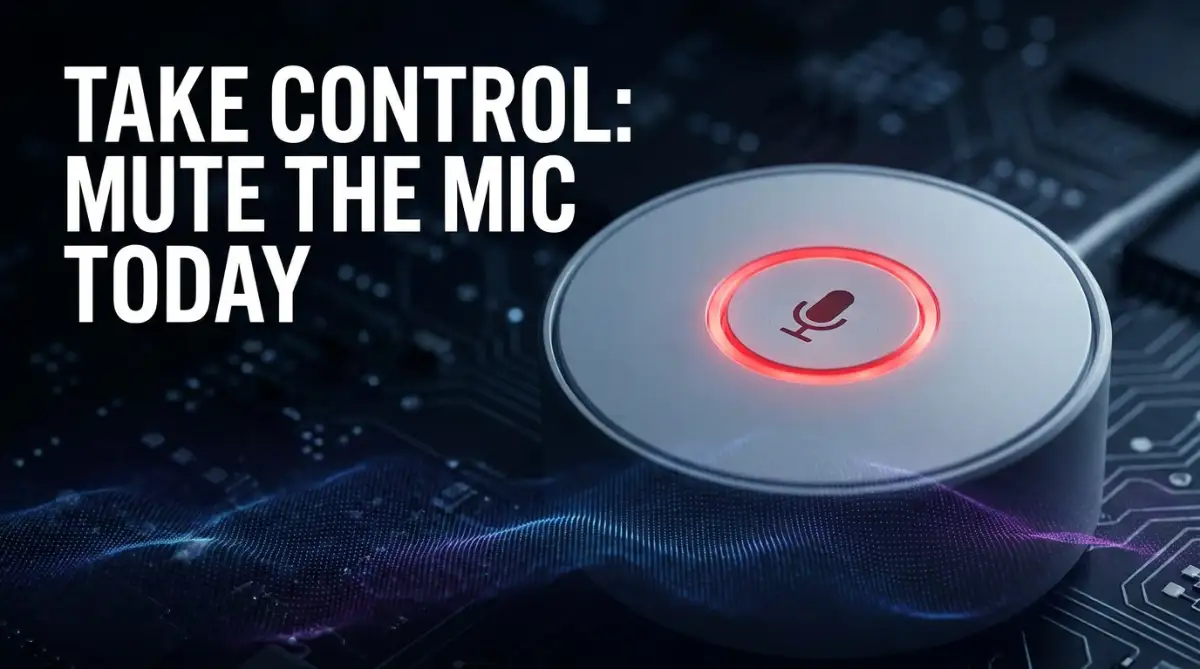
The very first step is utilizing the physical mute button. Almost every smart speaker has a physical switch or button that electronically disconnects the microphone.
Get into the habit of muting your devices when you are not actively using them. If you are having a sensitive conversation, walking across the room to press that mute button is a tiny effort for complete peace of mind.
Taking Control of Cloud Storage Settings
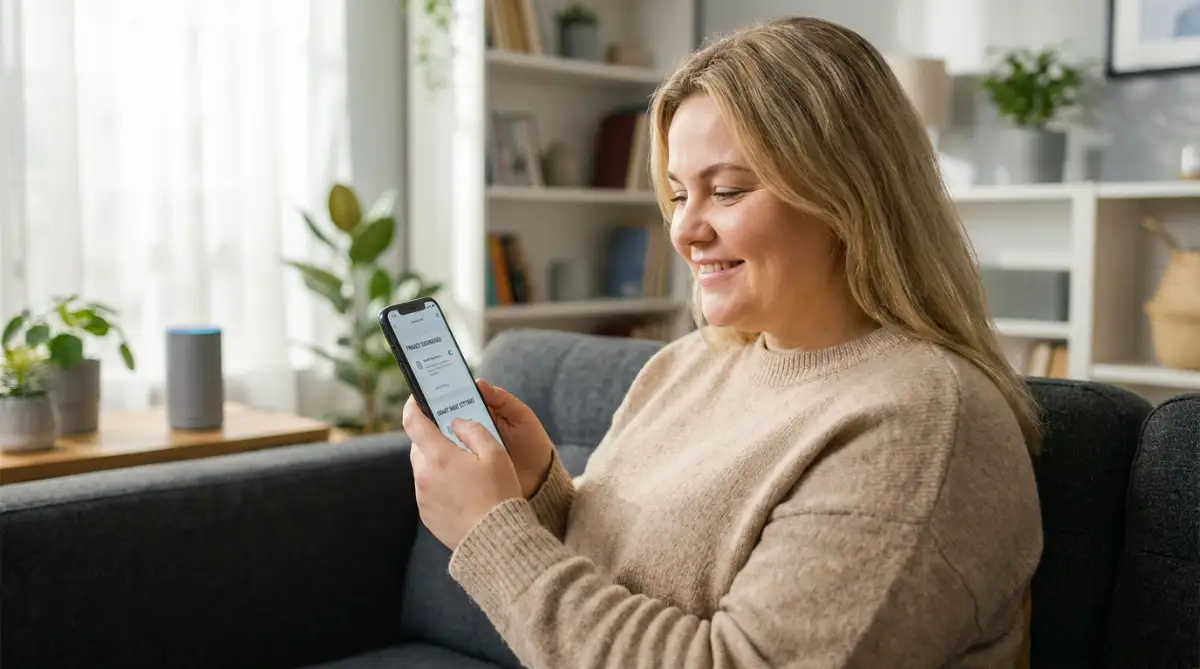
The next major step is stopping the automatic storage of your voice history. Every major smart assistant has a companion app installed on your smartphone.
Open that app and navigate directly to the privacy or data management section. You will find an option that allows you to stop saving audio recordings to your account.
Follow these general steps for a safer setup:
- Open your smart home management app.
- Find the "Data & Privacy" menu.
- Turn off the setting labeled "Help Improve Voice Services" or "Save Audio Recordings."
- Click the button to completely erase your existing voice history.
By disabling this single feature, you prevent the company from using your past recordings for targeted advertising or software testing.
The Rise of Local Processing (A Safer Alternative)
If you are highly concerned about cloud-based data tracking, there are alternative technologies available. The tech industry is slowly moving toward a concept called "local processing."
Local processing means the smart device handles your voice commands using its own internal computer chip. It does not need to send your audio files to a remote server to understand what you are saying.
This is a massive upgrade for personal privacy. Because the audio never leaves your house, hackers and data brokers cannot access it.
When shopping for new smart home equipment, actively look for devices that advertise "on-device processing" or "offline voice control." These gadgets might cost a little bit more upfront, but they offer significantly better protection for your family.
Why Network Segmentation Matters
Another highly effective strategy involves changing how your devices connect to your Wi-Fi router. Most people connect their smart speakers, smartphones, and personal laptops to the exact same home network.
If a hacker manages to compromise your heavily constantly active smart microphone, they can potentially jump from that device to your personal computer.
To prevent this, you should set up a "Guest Network" on your home Wi-Fi router. A guest network acts as a separate, isolated bubble.
Connect all your smart TVs, voice assistants, and smart bulbs strictly to this guest network. Keep your personal phones, laptops, and banking devices on your main, hidden network.
If the smart devices are ever compromised, the attackers will be trapped in the guest bubble, completely unable to access your private files and sensitive passwords.
Understanding the Trade-Off Between Convenience and Privacy
Ultimately, building a smart home requires balancing functionality with security. Every new sensor or microphone you add increases your digital footprint.
Ask yourself if you truly need voice control in every single room. A smart speaker in the kitchen for setting timers makes practical sense.
But do you really need an always-on microphone sitting on your bedside table while you sleep? Probably not.
By strategically placing these devices in public areas of your house and keeping them out of private spaces like bedrooms and home offices, you instantly reduce your exposure to unwanted monitoring. You remain the master of your own home, dictating exactly when and where technology is allowed to interact with your life.
Mastering Your Network’s Invisible Boundaries
Taking physical control of the mute button is an excellent first step for your privacy. However, long-term security requires looking a bit deeper into how your home network operates. You need to become the strict gatekeeper of your own digital property.
Most people plug in a new gadget, connect it to the main Wi-Fi, and completely forget about it. This is a massive security risk that leaves your personal data highly exposed. You must proactively manage the invisible traffic flowing in and out of your house.
Think of your internet router as the front door to your home. You would not leave your actual front door wide open for strangers to walk through. We need to apply that exact same logic to your internet connection.
Auditing Third-Party Voice Applications
One of the biggest hidden dangers lies in third-party integrations. These are the small apps, games, or extra "skills" you download to make your smart speaker do fun things. You might install a fun trivia game for family game night or a white noise app to help you sleep.
What most people do not realize is that these extra features are built by random, independent developers. They are not created by the main tech giant who built your speaker. When you enable these extra skills, you often give those unknown developers direct access to your voice data.
This creates a massive loophole in your home security. Even if you trust the main hardware manufacturer, can you really trust an anonymous app developer with an unpronounceable name?
Expert Action Plan: Open your smart assistant companion app today and find the "Skills" or "Connected Services" menu. You will likely see a long list of games and tools you used once and completely forgot about. Delete every single integration that you do not use on a daily basis.
The Smartphone Hub Connection
Many of us use our primary smartphones as the main control hub for our smart home ecosystem. You already keep highly sensitive text messages, banking details, and personal photos on that phone.
If you have ever gone through the stressful process of safely recovering corrupted data from water-damaged smartphones, you already understand how devastating mobile data loss can be. You must treat your voice assistant app with that exact same level of high security.
If your phone falls into the wrong hands, that person immediately gains access to your entire home environment. They can check your camera feeds, view your daily routines, and listen to your saved audio logs. Always ensure your smart home app is locked behind a strong password or biometric fingerprint scan.
Blocking Trackers at the Router Level
If you want to take your privacy to a truly advanced level, consider setting up a network-level ad and tracker blocker. Tech enthusiasts often use systems called "DNS sinkholes" to protect their entire household. A popular example is a small piece of software that blocks known tracking servers before they even reach your devices.
When your smart microphone tries to send an unauthorized data ping to an advertising server, the DNS sinkhole steps in. It acts like a digital bouncer, completely blocking that specific outgoing connection. Your smart speaker still works for setting timers and playing music, but its ability to silently report your habits is heavily restricted.
Independent researchers focusing on evaluating smart device data practices constantly reveal that popular brands have highly questionable data-sharing habits. Blocking these connections at the router level ensures you remain in complete control, regardless of what the manufacturer tries to do in the background.
The Dangerous Illusions of Tech Security
When trying to secure a home network, many well-meaning people fall into specific behavioral traps. These common mistakes often give users a completely false sense of safety. Let us break down these common pitfalls so you do not repeat them.
Mistake 1: Trusting the "Sleep Mode" Myth
A very common behavioral trap is believing that a quiet device is a sleeping device. People assume that because the speaker is not actively talking or glowing, it has stopped processing information. This is a very dangerous illusion.
Unless a device is physically disconnected from a power source, the internal microphone array remains highly active. It is continuously buffering audio, searching the room for a command.
Do not let a dim screen trick you into discussing sensitive personal details. If the plug is in the wall, the digital ear is open and listening.
Mistake 2: Blindly Syncing Personal Accounts
Another major error happens during the initial device setup process. The companion app will aggressively ask for permission to sync your personal calendar, email, and text messages. It promises to read your daily schedule out loud while you drink your morning coffee.
While this sounds highly convenient, it creates a massive privacy vulnerability. You are taking your most private written communications and uploading them directly to a constantly listening device.
Imagine having a friend over, and they jokingly ask the speaker to "read my latest text messages." Because voice recognition is not always perfect, the device might actually read your highly private messages out loud to the entire room. Never sync your main personal calendar or text inbox to a shared living room speaker.
Mistake 3: Relying on Gadgets for False Security
Sometimes people buy these always-on monitoring gadgets thinking they will help with home security or insurance claims. They fill their living spaces with indoor cameras and always-on microphones to catch potential intruders.
However, it is much smarter to read up on exactly what your standard homeowners insurance will not cover rather than sacrificing your daily family privacy. Filling your private spaces with internet-connected microphones often creates more risk than reward.
You are essentially putting your family’s daily life on a digital broadcast just to save a few dollars on a security system. Professional cybersecurity groups frequently publish guidelines for securing connected devices precisely because hackers target these cheap indoor cameras and microphones.
The Physical vs. Digital Scrutiny Gap
When you buy a physical house, you carefully look for physical flaws. You would never dream of moving your family in without checking for hidden structural issues to look for during a property inspection.
But when we build a "smart" house, we completely ignore the invisible digital flaws. We happily bring in unverified sensors, untested microphones, and questionable software without a second thought.
You must start treating digital blind spots with the same seriousness as a leaky roof or a broken window lock. An invisible data leak can sometimes be much more damaging to your personal life than a physical home repair.
Reclaiming the Quiet Peace of Your Home
You do not need to become extremely paranoid or throw away all your modern technology. Living in the modern era means we will inevitably interact with smart systems. The goal is not completely avoiding technology, but rather interacting with it strictly on your own terms.
You have the absolute right to a private conversation in your own kitchen. You deserve to watch a movie in your living room without a corporation analyzing the audio in the background. By taking a few deliberate steps, you can easily restore the boundary between public tech and personal life.
Your Action Plan for Tonight
Instead of just reading this and moving on, I want you to take immediate, physical action tonight. Grab your smartphone and walk through your house.
First, walk up to every single smart speaker and physically press the mute button. Leave it muted until you actually need to ask it a specific question.
Second, open your smart home apps and navigate directly to the privacy settings. Delete your entire audio recording history from the cloud servers.
Finally, turn off the setting that allows the company to use your voice data for product testing. These three simple steps will take you less than five minutes to complete.
That tiny five-minute investment will immediately drastically reduce your digital footprint. You will finally be able to sit back, relax, and enjoy the true, unmonitored peace of your own home.
Disclaimer: The information provided in this article is for educational and informational purposes only. It does not constitute professional cybersecurity or legal privacy advice. Technology features, app interfaces, and privacy policies change frequently. Always review the specific terms of service and current privacy settings provided by your device manufacturer.