The Heartbreak of a Denied Claim: My Wake-Up Call
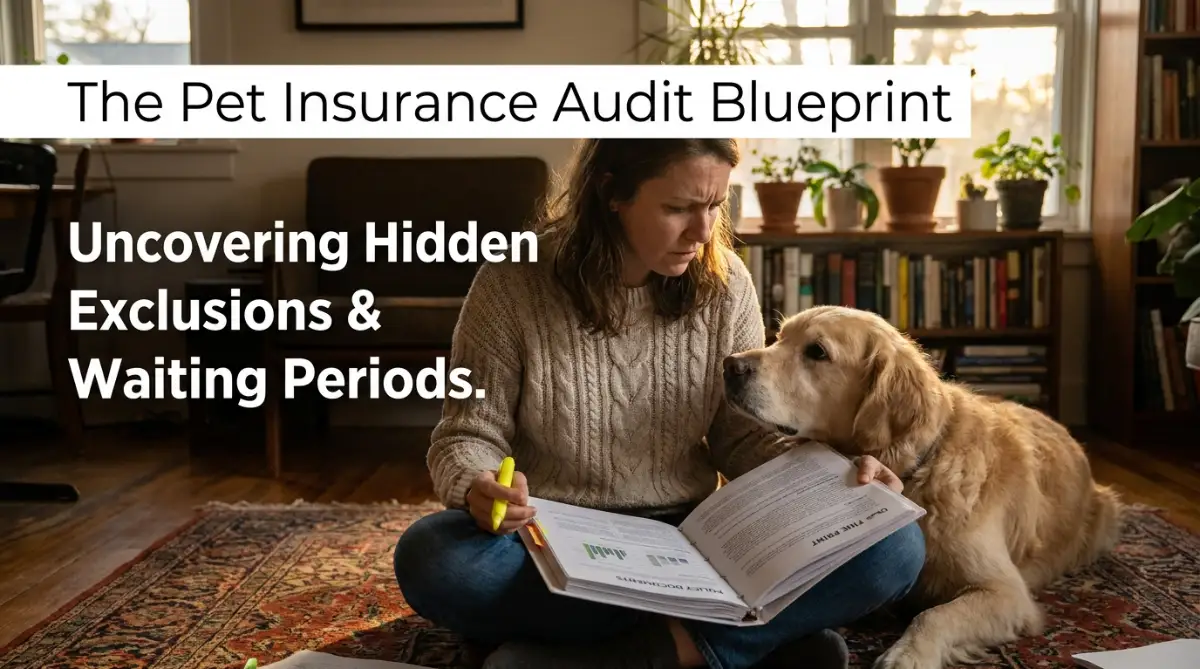
I will never forget the chilling moment I stood at the veterinary clinic counter, holding my sick Golden Retriever, Max. The receptionist handed me an estimate for his emergency surgery that made my stomach completely drop. I confidently handed over my pet insurance card, expecting the safety net I had paid into for months to catch me. A few minutes later, she looked at me with a sympathetic sigh and said my claim was denied. The policy had a hidden exclusion for his specific condition that I never noticed. I felt completely betrayed, embarrassed, and terrified for my dog's life.
That painful experience opened my eyes to a harsh reality about the animal healthcare industry. We buy these plans thinking they are a magical shield for our furry family members. We assume that if we pay our monthly premiums, the company will handle the rest when an emergency strikes. But the truth is much more complicated and heavily guarded by legal jargon.
Average pet parents face this exact nightmare every single day across the country. You walk into an animal hospital during the most stressful moment of your life, only to face a massive financial roadblock. The mental toll of having to choose between your savings account and your pet's life is absolutely devastating.
This financial anxiety steals the joy of pet ownership. Instead of focusing on helping your dog or cat heal, you spend sleepless nights calculating credit card limits. You wonder how you missed the fine print and blame yourself for not reading a fifty-page legal document more closely.
The worst part is that these companies do not make it easy to understand what is actually covered. They use complicated language to mask long waiting times and breed-specific rules. But you do not have to be a victim of these sneaky tactics anymore.
Decoding the Fine Print: How to Audit Your Pet's Protection Plan
You can completely take back control of your financial peace of mind by performing a personal policy audit. Think of this process as putting on a detective hat and inspecting the safety net before you actually have to jump. Insurance companies operate on risk management, and understanding their rules helps you play the game safely. Let us break down exactly how to spot these traps and protect your wallet.
Unmasking the Pre-Existing Condition Trap
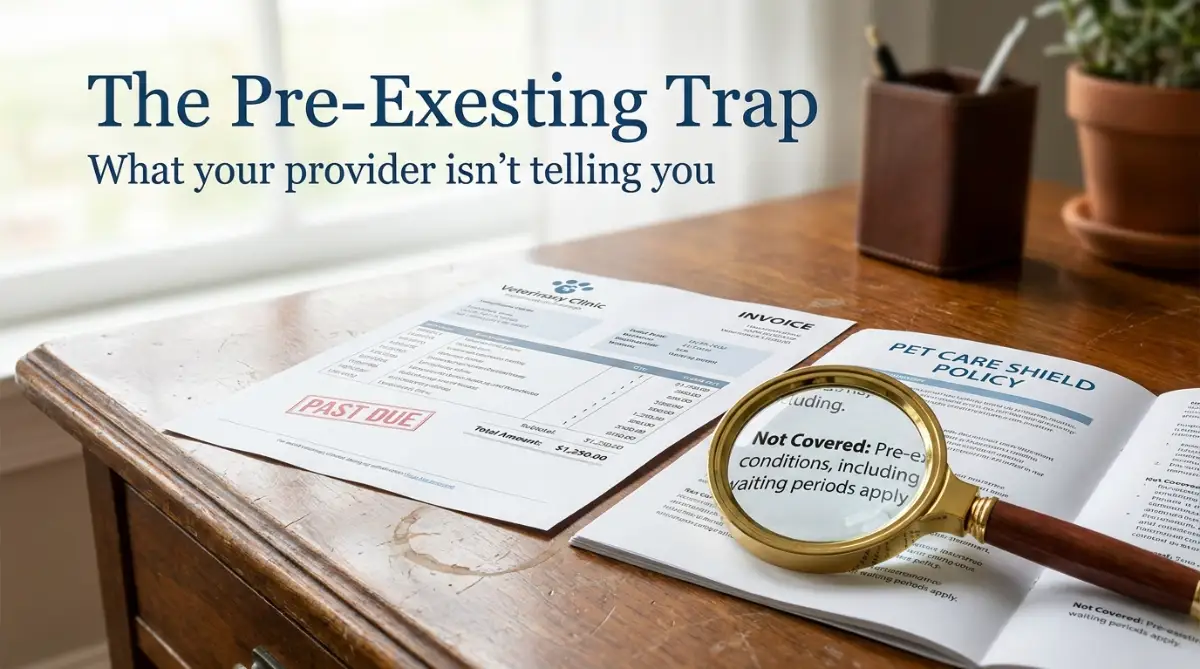
The absolute most common reason claims get denied is the dreaded pre-existing condition clause. Almost every single provider has this rule, but they all define it a little differently. Essentially, if your pet showed any signs of an illness before your coverage officially started, they will not pay for it.
Imagine you take your newly adopted puppy to the vet for a basic checkup, and the doctor notes a slight limp in their chart. A month later, you buy a health plan to protect against future accidents. If that limp turns out to be hip dysplasia six months down the line, the provider will point to that first vet visit. They will officially label it a pre-existing issue and refuse to pay a single dime for the expensive surgery.
To audit this on your own policy, you need to ask for a full copy of your pet's medical records from every vet they have visited. Read the doctor's notes very carefully. If the vet mentioned an ear infection, a weird cough, or a strange allergy before your policy started, assume those specific issues are excluded. Knowing this upfront prevents you from getting a nasty surprise during a medical emergency.
Pro Tip: I once made the huge mistake of mentioning my cat’s random sneezing fit to the vet just two days before his new policy kicked in. Because it went into his official medical chart, his future asthma treatments were completely excluded. I learned the hard way that timing your vet visits around your policy activation date is incredibly important.
Mastering the Timeline of Waiting Periods
People often assume that the second they type their credit card number into a website, their pet is fully protected. This is a massive myth that leaves countless families drowning in sudden medical debt. Every single provider enforces a strict timeline called a waiting period before they actually start paying out claims.
These timelines are put in place to stop people from buying coverage on the way to the emergency room. However, there are usually three completely different timelines running at the exact same time. You have an accident waiting time, an illness waiting time, and a special orthopedic waiting time.
Here is a complete breakdown to help you understand the insider secrets of how insurance companies structure these timelines.
Accident coverage usually kicks in the fastest, sometimes within two to three days of your purchase. This means if your dog breaks a leg playing fetch on day four, you are totally covered. Illnesses, like a sudden stomach bug or a cancer diagnosis, normally take a full fourteen days to become eligible.
The biggest trap lies in the orthopedic waiting period. Conditions like cruciate ligament tears (ACL tears) often have a massive six-month waiting window. If your active dog tears a knee ligament in month four, you will be paying that entire five-thousand-dollar bill out of your own pocket. Always check the specific orthopedic timeline in your contract, because this is where most energetic dogs get caught.
Navigating Breed-Specific Genetic Exclusions
Not all dogs and cats are created equal in the eyes of an underwriter. Certain breeds have known genetic flaws that are almost guaranteed to cost the company money down the line. Because of this, many cheap policies simply exclude these common genetic issues entirely to keep their monthly prices low.
Take the popular French Bulldog, for example. These adorable dogs are highly prone to breathing issues and often need expensive airway surgeries. Some budget plans will completely exclude a condition called Brachycephalic Airway Syndrome. If you own a flat-faced breed and buy one of these plans, you are essentially throwing your monthly premium away.
Another great example is the Maine Coon cat, which is known for developing severe heart conditions. During your audit, you must research the top five genetic health issues associated with your specific breed. Once you have that list, open your policy booklet and search for those exact medical terms in the exclusions section. If your breed's most common problem is excluded, you have the wrong policy for your animal.
Bilateral Conditions: The Double Trouble Rule
This is one of the most confusing and frustrating rules hidden deep inside pet health contracts. A bilateral condition is a health issue that can happen on both sides of the body. The most common examples are knee ligament tears, hip dysplasia, and cataracts in the eyes.
Here is how the trap works in real life. Let us say your dog tears their left knee ligament before you buy your health plan. You pay for the surgery yourself, and then immediately sign up for coverage to protect the right knee. A year later, your dog jumps off the couch and tears the right knee ligament.
The provider will completely deny the claim for the right knee, even though it happened while the policy was active. They use the bilateral condition rule to argue that because the left knee was pre-existing, the right knee is automatically excluded too. They consider both knees to be part of the exact same underlying medical risk.
You must look for the word "bilateral" during your document audit. Some highly-rated companies do not use this aggressive rule, while budget companies almost always include it. If your pet has already had an issue with one eye, one ear, or one knee, you need a provider that treats the other side as a completely separate event.
The Illusion of Routine Care and Wellness Add-ons
A major source of confusion for new pet parents is the difference between an emergency plan and a wellness plan. Many people take their dog in for an annual checkup, vaccines, and a heartworm test, only to get their claim rejected. Standard plans are designed strictly for unexpected accidents and sudden illnesses, not expected daily maintenance.
Some companies offer an extra wellness package that you can add to your monthly bill. They promise to cover dental cleanings, flea medication, and regular blood work. But if you do the math during your personal audit, these add-ons are rarely a good financial deal.
Most wellness plans operate like a forced savings account rather than actual insurance. You might pay an extra twenty dollars a month (two hundred and forty dollars a year) for the wellness rider. In exchange, they might give you a maximum allowance of two hundred dollars a year for vaccines. You are actually losing money just to have them manage your routine vet budget.
Instead of buying wellness add-ons, you are usually much better off putting that extra twenty dollars into a personal savings account every month. Save your actual insurance plan for the massive, unexpected emergencies that cost thousands of dollars.
The Hidden Limits of Prescription Food and Supplements
When an animal develops a chronic issue like kidney disease or severe food allergies, veterinarians often prescribe a special medical diet. These prescription bags of kibble can easily cost over one hundred dollars a month. Over the lifespan of a pet, this adds up to a massive financial burden for the family.
During your document review, you need to search for the terms "prescription diet" or "nutritional supplements." The vast majority of standard policies consider food to be a general responsibility of the owner, regardless of whether a doctor prescribed it. They will gladly pay for the expensive blood tests to diagnose the kidney issue, but they will leave you to pay for the special food forever.
However, a few premium providers do offer coverage for therapeutic diets if they are strictly used to dissolve bladder stones or treat a specific illness. If your specific breed is prone to urinary issues or severe allergies, finding a plan that covers prescription food can save you a fortune over time.
The Truth About Dental Illness Exclusions
Dental care is one of the most misunderstood areas of veterinary medicine and insurance coverage. Many owners assume that a broken tooth or severe gum disease will automatically be handled by their emergency plan. Unfortunately, dental coverage is usually buried under a mountain of strict requirements.
Most policies will happily cover a broken tooth if it was caused by a sudden accident, like chewing on a heavy rock. But they will strictly exclude periodontal disease, which is the slow decay of the teeth and gums over time. They view gum disease as a maintenance issue that the owner should have prevented with regular brushing.
Even if your plan does cover dental illnesses, they almost always require proof that your pet has had a professional dental exam within the last twelve months. If you skip your dog's annual checkup and they develop a massive tooth infection, the company will deny the claim due to a lack of preventative care. You must read the specific maintenance requirements in your contract to keep your dental coverage active.
Curable vs. Incurable Pre-Existing Conditions
There is a small glimmer of hope hidden in some policies regarding pre-existing conditions. Not all past illnesses are held against your pet forever. Some modern companies have started separating issues into two distinct categories: curable and incurable.
Incurable issues are things like diabetes, cancer, or arthritis. If your pet had these before the policy started, they will never be covered. But curable issues are temporary problems like a simple ear infection, an upset stomach, or a minor skin rash.
If you audit a premium policy, look for a "cure period" clause. This clause usually states that if your pet goes completely symptom-free from a curable issue for one hundred and eighty days, the company will reinstate coverage for that specific problem. This is a massive benefit for people who adopted a pet that came with a minor, temporary cold from the shelter.
By actively looking for these curable condition clauses, you can find a plan that forgives past medical hiccups. It requires a lot of deep reading, but finding a provider that offers this forgiveness can bring you ultimate peace of mind. Taking the time to understand these rules today prevents massive heartbreak tomorrow.
ro-Level Secrets to Keeping Your Pet Fully Protected
Now that you know exactly what exclusions to hunt for, you need to understand how to maintain your coverage long-term. Buying the right policy is only the first step of the journey. If you do not actively manage your relationship with the provider, they can still find technical loopholes to deny your future claims. Here are a few advanced strategies to keep your furry friend protected.
The most powerful secret weapon you have as a pet owner is a complete and flawless medical history. Insurance companies love to ask for your pet’s entire medical record the very first time you submit a major claim. If there are massive gaps in their medical history, or if you skipped their required annual exams, the company will use that as an excuse to deny payment.
To prevent this, you should ask your veterinarian to perform a full physical exam specifically designed for insurance purposes before you buy the plan. Tell your vet to clearly document that your dog’s knees, eyes, and heart are in perfect working order. Having a clean bill of health officially documented on day one makes it incredibly hard for the provider to claim a condition was pre-existing later on.
Another brilliant strategy is to set up a dedicated emergency savings fund just for the deductible and co-pays. Even the absolute best policies only reimburse you up to eighty or ninety percent of the total bill. If your cat needs a ten-thousand-dollar surgery, you are still going to have to pay one to two thousand dollars out of pocket.
You should treat this savings account like a non-negotiable monthly bill, depositing a small amount every single paycheck. When the worst happens, you will not have to scramble to find a loan or max out your credit cards just to cover the initial vet deposit. Managing your personal financial safety net is just as important as having a good insurance policy.
Finally, you must be extremely careful when upgrading or switching to a new provider. People often try to switch companies because they find a slightly cheaper monthly premium online. But when you move to a new company, every single medical issue your pet had under the old policy instantly becomes a pre-existing condition to the new provider.
If your dog developed allergies or arthritis under the old plan, the new company will permanently exclude those issues from day one. You could end up paying a monthly premium for a plan that covers absolutely nothing your dog actually needs. This is why getting the truth about your standard homeowners insurance or any other policy right the first time is so heavily emphasized by financial experts.

The Deadly Mistakes That Can Void Your Coverage
Trying to navigate the complex world of animal healthcare is stressful, and people often make desperate decisions when their pet is hurting. These emotional reactions usually lead to massive financial mistakes that completely ruin their chances of getting a claim approved. Let’s talk about the specific actions that will almost guarantee a denied claim.
A massive mistake owners make is trying to hide past medical issues from the insurance company during the application process. You might think that by checking "no" on the questionnaire about your dog's history of ear infections, you are beating the system. But this is technically considered insurance fraud, and companies have entire departments dedicated to finding out the truth.
The moment you file a claim for a severe ear infection, the provider will request records from every vet clinic within a fifty-mile radius of your house. When they find that hidden medical note from three years ago, they will not just deny the claim; they will completely cancel your policy immediately. You will lose all the money you paid in premiums, and your pet will be left completely uninsured.
Another incredibly common mistake is waiting too long to submit a claim after the emergency happens. Every contract has a strict deadline for filing paperwork, which is usually anywhere from ninety to one hundred and eighty days after the vet visit. When your pet is sick, you are exhausted and focused on their recovery, so the paperwork gets tossed in a drawer and forgotten.
If you try to submit a ten-thousand-dollar surgery bill one day past the legal deadline, the company has the legal right to completely deny the payout. They do not care how stressed you were or if you lost the receipt in the mail. You must create a strict habit of scanning and submitting your invoices from your phone before you even leave the veterinary clinic parking lot. You should also understand that crucial life events trigger medical coverage reviews in the human healthcare system as well, so prompt action is always necessary.
Finally, people often fail to follow the specific treatment instructions given by their veterinarian. Let's say your vet prescribes strict crate rest for your dog for six weeks after knee surgery. But you feel bad for them and let them run around the yard after two weeks, causing the knee repair to fail completely.
If the insurance adjuster reviews the doctor's notes and sees that you ignored the medical advice, they will refuse to pay for the second surgery. They expect you to act as a responsible partner in your pet's recovery process. Failing to follow the doctor's orders essentially voids their responsibility to pay for your negligence. This level of strict rule enforcement is exactly what your agent won't tell you about life insurance documents either.
Your Personal Action Plan for Ultimate Peace of Mind
Protecting your furry best friend should never feel like you are gambling with your life savings. Yes, the insurance industry is filled with confusing rules, long waiting periods, and tricky exclusions. But you now have the exact knowledge you need to read right through their complicated legal jargon.
You understand how pre-existing conditions are defined and why the timeline of a waiting period is so important. You know exactly why you need to research your specific breed's genetic flaws before signing any paperwork. Most importantly, you know how to build a clean medical history that forces the provider to honor their end of the deal.
Do not wait for an unexpected emergency to test the strength of your policy. Take thirty minutes this weekend to sit down with a highlighter and read your entire contract from cover to cover. Check the specific wording around dental care, prescription food, and bilateral conditions to make sure you are not throwing your money away.
My Final Thoughts: I used to feel so helpless and angry every time I thought about my dog's denied surgery claim. But taking the time to truly learn how this system works completely changed my confidence as a pet parent. You have the power to protect your wallet and your pet's life, so grab your policy document today and start reading!
Common Questions About Pet Coverage Rules
Do pet insurance plans cover spaying and neutering?
Standard accident and illness policies almost never cover routine procedures like spaying or neutering. These are considered expected preventative care, though some premium wellness add-ons might offer a small allowance toward the cost.
Can a provider cancel my policy if my pet gets too old?
Reputable companies will not cancel your coverage simply because your dog or cat reaches a certain age, as long as you keep paying the premiums. However, your monthly bill will likely increase significantly every single year as they get older.
Does my policy cover vaccines and annual exams?
No, regular vaccinations and annual physical checkups are excluded from basic emergency policies. You are expected to budget for these routine maintenance costs yourself to keep your pet healthy.
Will they cover the cost of putting my pet to sleep?
Many standard policies do cover the cost of humane euthanasia if it is recommended by a veterinarian to end suffering from a covered illness. However, they generally do not cover the cost of cremation or burial services.
Can I use any veterinarian I want with my policy?
Yes, the vast majority of pet policies operate on a reimbursement model, meaning they do not have strict doctor networks. You can take your pet to any licensed veterinarian or emergency clinic in the country, pay the bill, and then submit the receipt for a refund. You can learn more about general insurance networks and how they differ from animal healthcare through independent consumer health resources.
Disclaimer: The information provided in this article is for educational and informational purposes only and does not constitute professional financial, legal, or veterinary advice. Always read your specific insurance contract carefully and consult with a certified insurance agent or veterinarian before making decisions regarding your pet's healthcare or financial coverage.
![Proven Strategies to Audit Your Property Coverage Today [Without Fear]](https://pixeljournals.com/storage/uploads/blogs/1785360026_proven-strategies-to-audit-your-property-coverage-today-without-fear.webp)