What You Will Learn in This Guide:
- Why owning a website domain does not mean you own the business name.
- How to properly check free government databases for exact and sounding-alike names.
- The difference between protecting your visual logo and your actual business name.
- Easy steps to claim your digital territory before someone else does.
The Hidden Nightmare of Accidental Name Theft
Have you ever bought a domain name and thought, "Awesome, nobody else can take my business name now!"? I used to think the exact same way. That was until I realized a simple website address offers zero legal protection for a brand. Let's talk about how you can easily check if your great idea is actually safe to use, so you never have to lose sleep worrying about unexpected legal threats.
Apparently, the incredibly catchy name I thought I invented was already owned by a massive corporation three states away. I honestly thought I had done everything right by simply checking available website domains. That single, innocent assumption nearly cost me my entire livelihood.
But reality hits incredibly hard when you realize your hard work might actually be illegal. This start second-guessing every single marketing campaign you run.
You start wondering whether your new logo, your product names, or even your podcast title will trigger a massive lawsuit. It feels incredibly unfair because you never intended to steal anything from anyone. You just wanted to serve your local customers and build a good life.
Many passionate entrepreneurs actually end up abandoning their dreams entirely simply because they cannot afford the heavy legal fees to fight back. It is a massive burden that makes you feel entirely alone and helpless in your business journey.

Building an Unbreakable Shield Around Your Business Assets
Securing your business identity does not require a law degree, but it does require highly intentional action. Many founders rush the naming process because they are excited to launch their website and social media profiles.
However, taking a few specific steps right now can save you thousands of dollars down the road. Let us look at exactly how you can secure your hard work safely and logically.
The Danger of Assuming Domain Availability Means Legal Safety
One of the biggest mistakes new owners make is buying a ".com" address and assuming they own the legal rights to the name. Domain registrars do not check government databases before selling you a website link.
They simply check if another computer is currently using that specific web address. Buying a domain name without checking legal databases is exactly like buying a house without checking who actually owns the property deed.
You might get the keys, but the real owner can show up anytime to kick you out. You must separate your digital address from your legal business identity.
Mastering the Initial Search Process
Before you print a single business card, you need to become comfortable acting like an investigator. You should always start by opening up a completely private browser window.
Type your exact business name idea into Google, but do not just look at the first page of results. You need to dig deep into pages three, four, and five to see if anyone is using a similar name in your industry.
Check alternative spellings, plurals, and words that sound exactly the same but are spelled differently. If your desired name is "Blue Fox Coffee," you also need to search for "Blu Foxx Cafe" or "Blue Foxes Roasters."
I used to think that just getting an LLC meant my name was safe across the entire country. I quickly realized that state registration does nothing to protect you against federal trademark holders. My biggest mistake was skipping the national database search just to save five minutes of reading, which led to months of high stress.
Navigating Official Government Databases
Once you clear the basic search engine test, it is time to move to the official systems. Every country has a dedicated patent and trademark office website that is completely free to use.

You will want to find the electronic search system on their website and input your name ideas. This database holds records of every single registered mark, as well as applications currently waiting for approval.
My Personal 5-Minute Trademark Search Checklist:
| Task | Why It Matters |
| :--- | :--- |
| Clear your browser cache | Stops old search history from hiding new results. |
| Check variations | If your name is "Kool", search for "Cool" too. |
| Search social media | Look up the exact name on Facebook and Instagram. |
| Find your industry class | Make sure you only look for conflicts in your specific business type. |
If you are completely new to navigating government websites, watching a visual walkthrough can save you hours of frustration and prevent costly search errors.
Understanding the Concept of Industry Classes
Trademark law is built heavily on the idea of preventing customer confusion. Two different companies can sometimes have the exact same name if they do completely different things.
For example, a company selling heavy construction equipment and a company selling delicate hair accessories might share a name. Because a customer will never accidentally buy a bulldozer instead of a hair clip, the law allows this overlap.
When you search the database, you must look for similar names operating within your specific industry or "class." If you plan to sell clothing, you need to check if anyone has claimed your name in the apparel categories.
Recognizing Phonetic Twins and Visual Cousins
Courts do not care if you changed one letter in a word to make it look unique. If a name sounds the same when spoken out loud, it is considered a conflict.
This is called a phonetic equivalent, and it trips up thousands of clever founders every single month. "Kool Kuts" and "Cool Cuts" are viewed exactly the same in the eyes of intellectual property law.
Additionally, if your logo uses a very specific shape or mascot that heavily resembles a famous brand, you are at risk. Visual similarities can trigger a lawsuit just as fast as a copied name.
Securing Your Social Media Footprint Early
Even before you officially register your name with the government, you need to claim your territory online. Go to every major social platform and secure your username, even if you never plan to use that specific app.
This prevents bad actors from holding your brand name hostage later on when you become successful. It also creates a highly documented timeline showing exactly when you started using the name in public.
Real-Life Scenario: A friend of mine started a local fitness coaching business. She secured her website but forgot about Instagram. Six months later, someone else noticed her success, took her exact Instagram handle, and tried to sell it back to her for two thousand dollars. Always claim your handles on day one, even if you keep the accounts private.
Consistent usernames across all platforms make your business look highly professional to new customers. If someone else already has your desired username, that is a massive red flag that you need to investigate further.
Myth vs. Reality in Business Naming Rights
Let us break down some highly common misunderstandings that trap new founders. Misinformation spreads quickly in business communities, so getting the facts straight is necessary for your peace of mind.
Knowing When to Bring in Professional Help
While doing your own research is a great start, there comes a point where you need an expert opinion. If you plan to expand your business nationwide, paying a professional to review your name is a very smart investment.
Specialized attorneys have access to incredibly powerful software that finds hidden name conflicts you might miss. They also deeply understand the complex history of previous court cases regarding customer confusion.
Think of an attorney as a highly trained mechanic for your brand engine. You can check the oil yourself, but you want a professional to examine the brakes before a long road trip.
Documenting Your Daily Brand Journey
Intellectual property rights often favor the person who can prove they used the name first in regular business activities. Because of this, you need to keep excellent records from day one.
Save copies of your first customer receipts, your early marketing flyers, and your initial website launch announcements. Keep these physical and digital records highly organized in a safe place.
If anyone ever challenges your right to use your business name, this timeline becomes your ultimate defense. Proof of actual business use is incredibly powerful in legal disputes.
Dealing with the Threat of Trademark Trolls
Unfortunately, the business world is full of bad actors who register broad names just to sue honest people. These individuals are often called trademark trolls, and they rely entirely on your fear to make money.
They send out thousands of aggressive letters demanding quick cash settlements. If you ever receive one of these letters, your very first step is to take a deep breath and stay entirely calm.
Do not respond immediately out of high anger or deep fear. Take the document straight to a verified professional who can tell you if the threat is genuinely real or just a scam.
The Real Cost of a Forced Rebrand
Let us look closely at a practical scenario to understand why this matters so deeply. Imagine you own a beautiful local cafe that has been open for three highly successful months.
You receive a valid legal notice forcing you to change your name completely within thirty days. You now have to pay for a new street sign, which can easily cost over three thousand dollars.
You have to throw away thousands of custom-printed coffee cups, bags, and expensive employee uniforms. On top of that, you have to spend massive amounts of money on marketing just to tell your customers about the new name.
Creating a Culture of Originality
The absolute best way to avoid all these massive headaches is to be deeply original from the start. Stop looking at your competitors for naming inspiration and start looking at your own unique story.
Create a completely invented word, or combine two highly unexpected words together. Brands like Google and Spotify succeeded deeply because their names were completely blank slates.
When you invent a brand new word, securing your legal rights becomes incredibly easy and fast. You also stand out much faster in a highly crowded marketplace.
Protecting Future Product Lines
As your company begins to grow, you will naturally want to release new products or special services. Each of these new offerings needs exactly the same level of careful research as your main company name.
Do not let your massive early success make you lazy with your legal checks. A large company will absolutely crush your new product launch if it violates their existing rights.
Make trademark clearance a fully mandatory step in your standard product development routine. This keeps your entire business portfolio highly safe and profitable for years to come.
The Long-Term Value of Your Good Name
Eventually, your business name will become your single most valuable financial asset. Customers will choose you over cheaper options simply because they trust the name on the box.
When you eventually decide to sell your company, buyers pay heavy premiums for legally protected brands. If your name is a massive legal mess, nobody will want to buy your business.
Taking these careful steps today ensures that your hard work actually builds highly transferable wealth for your family. You are not just avoiding lawsuits; you are building a highly valuable legacy.
Next-Level Strategies to Keep Your Brand Untouchable
Securing your business name is not just a one-time event that you check off a list. To truly protect the empire you are building, you need to adopt a long-term mindset. Let us look at some highly effective ways to keep your business identity safe for the long run.
Monitoring your brand should become a regular part of your monthly business routine. Setting up simple digital alerts for your exact business name is a completely free way to catch copycats early. If someone starts a new social media page using your name, you want to be the very first person to know about it.
You should also regularly search popular e-commerce platforms to ensure nobody is selling counterfeit versions of your products. The longer you allow someone to use your name illegally, the harder it becomes to stop them in court. The law heavily favors proactive owners who aggressively defend their territory from day one.
The Power of Separating Words and Artwork
Many founders make the mistake of only registering their full logo as one single asset. While protecting your visual logo is highly important, it leaves a massive gap in your security. A smart legal strategy involves protecting the actual words separately from the pictures.
When you register a standard character mark, you own those specific words regardless of the font or color used. This means a competitor cannot simply change the font of your name and claim it is totally different. Securing the plain text gives you the absolute broadest level of legal protection possible.
If you redesign your visual logo a few months later, your plain text registration still covers the actual name. This saves you from having to pay government fees every single time you update your marketing materials. Treat your words and your pictures as two completely different valuable assets.
Managing International Borders Safely
If you sell digital products or offer online consulting, your business has no physical borders. This is incredible for making money, but it heavily complicates your brand security. A protected name in your home country means absolutely nothing if a customer buys from across the ocean.
Before you spend heavy advertising money in a new country, you must search their specific government databases. Fortunately, systems like the Madrid Protocol managed by the World Intellectual Property Organization allow you to file applications across multiple countries at once. This international filing system saves modern entrepreneurs massive amounts of paperwork and highly expensive legal fees.
Do not wait until a foreign competitor steals your exact name and blocks you from selling in their country. Planning your international expansion early guarantees your global reputation stays entirely intact.
Building Internal Brand Guidelines
Your worst brand threat might actually come from inside your own company without anyone realizing it. When you hire new graphic designers or marketing assistants, they need strict rules about how to use your identity. If they randomly change your logo colors or manipulate the text, it can actually weaken your legal rights.
Create a simple, one-page document that explains exactly how your brand name should be written and displayed. Make sure every single team member reads this document before they publish any content online. Consistency in how you present your brand to the public heavily strengthens your official legal claims.
Just like you must protect your business from external threats, you must protect your digital storefront. Learning what happens when your e-commerce SSL expires is just as important as protecting your brand name from copycats. A secure website builds massive customer trust that perfectly matches your highly protected legal identity.
Creating Defensive Trademark Registrations
Sometimes the smartest offense is an incredibly strong defense. Highly successful companies often register variations of their name simply to block competitors from getting too close. If your main product is "Blue Fox Coffee," you might also register "Blue Fox Roasters" and "Blue Fox Cafe."
You do not necessarily have to use all of these variations in your daily marketing. You are simply building a wide protective fence around your main money-making asset. This strategy legally forces your competitors to pick completely different, highly unoriginal names that will never confuse your loyal buyers.

The Heartbreaking Traps That Destroy New Brands
Many passionate business owners fall into hidden traps simply because they do not know what to look for. These common mistakes often result in completely drained bank accounts and deeply broken dreams. Understanding these specific dangers is your best defense against losing everything you have built.
Falling for the Generic Naming Trap
One of the most dangerous things you can do is give your business a purely descriptive name. I have seen incredibly smart people name their companies things like "Best Quality Plumbing" or "Fast Local Movers." They choose these names thinking it will help their search engine rankings or make their services obvious.
However, the law strictly refuses to give exclusive ownership of common, descriptive words to just one person. If your name simply describes what you do, you have almost zero legal power to stop competitors from using it. You will be forced to watch other local businesses use identical names, confusing your customers and stealing your hard-earned profits.
You must choose words that are completely unique, highly creative, or entirely invented. Strong, unique names become incredibly valuable financial assets that you can eventually sell for massive profits.
Ignoring Early Warning Signs
Sometimes, business owners receive a polite email from another company mentioning a name conflict. Instead of taking it seriously, they simply delete the message and hope the problem magically disappears. Ignoring early warnings is the fastest way to turn a small misunderstanding into a massive federal lawsuit.
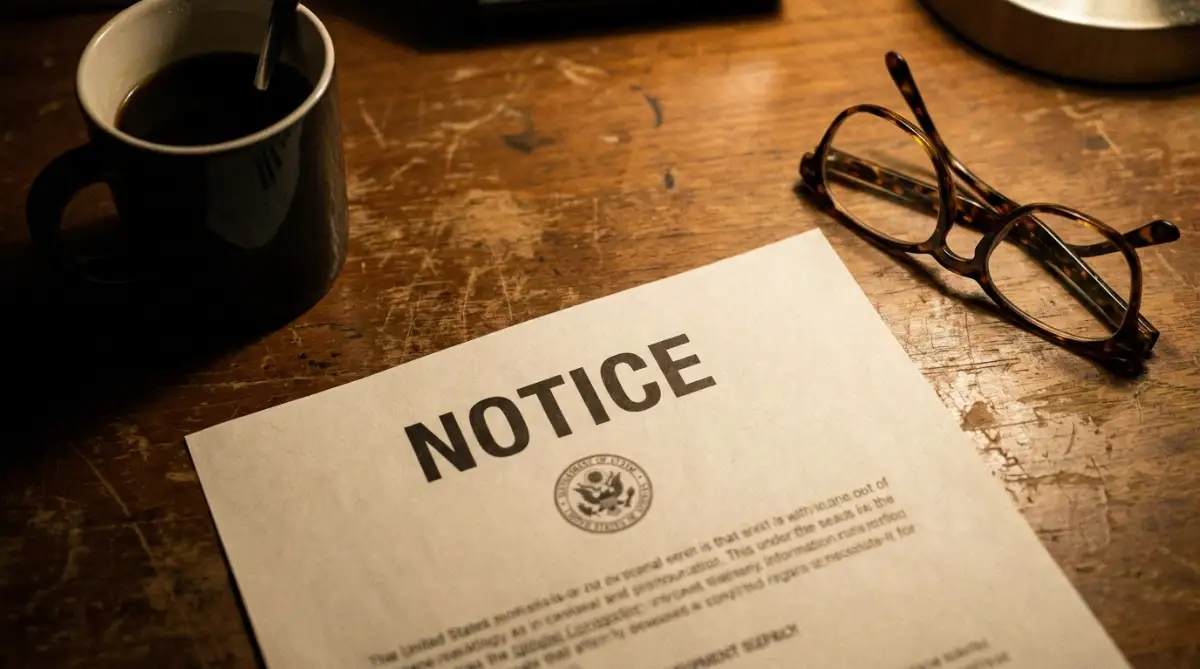
When you ignore a legal notice, courts view you as acting with bad intentions. According to the legal standards set by Cornell Law School's Legal Information Institute, willful infringement carries incredibly harsh financial penalties compared to honest mistakes. A judge can actually force you to hand over every single dollar of profit you made while using the stolen name.
If someone claims you are stepping on their territory, you must stop what you are doing and investigate immediately. Reaching out to a verified professional to review the situation is infinitely cheaper than ignoring the problem. This heavily relates to why signing a business contract alone is a dangerous trap; trying to handle complex legal threats without expert advice always ends badly.
Letting Important Deadlines Slip Away
Getting your official approval certificate from the government is a massive victory, but the work does not end there. The government requires you to actively prove you are still using the name every few years. If you miss these strict maintenance deadlines, your legal protection is instantly canceled without any warning.
- You must actively use your name in regular business transactions to keep your rights alive.
- You must file official declarations proving your ongoing use between the fifth and sixth year of registration.
- If you forget to file, your name falls directly back into the public domain for anyone to steal.
I highly recommend putting these massive renewal deadlines into multiple digital calendars right now. Many founders lose their multimillion-dollar brand names simply because they changed their email address and missed a single reminder notice. The United States Patent and Trademark Office's guide on maintaining rights clearly explains exactly how strict these deadlines really are.
Building on Rented Ground Without Protection
Many local business owners pour massive amounts of cash into physical storefronts before securing their name. They buy heavy outdoor signs, paint massive murals, and sign five-year property agreements. If a legal letter forces them to change their name, all of those permanent physical upgrades become completely worthless overnight.
This situation is incredibly similar to why small businesses fail commercial lease mistakes explained. You should never commit heavy financial resources to a physical location or permanent materials until your legal identity is fully locked down.
Always complete your legal homework before you sign any property agreements or order massive inventory shipments. Taking things out of order is a highly expensive lesson that forces many great businesses to close their doors forever.
Relying Entirely on Artificial Intelligence for Naming
With the rise of modern technology, many owners ask artificial software programs to generate business names for them. While these digital tools are great for quick brainstorming, they are incredibly dangerous to rely on completely. These computer programs do not search federal legal databases before giving you a catchy result.
The software might give you an incredibly cool-sounding name that is actually owned by a massive global corporation. If you blindly accept a computer-generated name without doing manual human research, you are walking directly into a trap. Always verify every single digital suggestion through official government channels before claiming it as your own.
Just as you need to be careful with digital naming tools, you also need to protect yourself from modern digital threats like data entry scams, spot fake remote jobs protect your identity. Keeping your business safe requires constant awareness in both legal naming and digital security practices. You must be the ultimate filter for every decision your business makes.
Your Action Plan for Complete Brand Confidence
Building a successful business takes an incredible amount of early mornings, late nights, and heavy sacrifices. You completely deserve to own the incredible reputation you are building with your bare hands. Protecting your identity is the ultimate form of respect for your own hard work and future success.
We have covered exactly why simple domain names do not offer real safety and how to properly search official systems. You now understand the massive difference between visual logos and plain text ownership. You also know exactly which heartbreaking traps to avoid when launching your new marketing campaigns.
The best time to secure your intellectual property was the day you opened your business. The second best time to secure it is right now, today, before another week passes by. Review your current assets, run your manual searches, and reach out to a verified professional if things look complicated. Building a highly secure foundation allows you to focus entirely on serving your amazing customers.
I want to personally encourage you not to let legal fears paralyze your incredible momentum. Taking just one simple, proactive step today will instantly lift a massive weight off your shoulders. I have seen countless small businesses transform into unstoppable brands simply because their founders refused to leave their security to chance. You have the power to build something totally unbreakable, so start defending your dream right now.
Straight Answers to Your Biggest Brand Security Questions
How much does it actually cost to register my business name officially?
Government filing fees typically range from two hundred to four hundred dollars per class of goods. If you hire a professional attorney to handle the search and paperwork, you should expect to invest between one thousand and two thousand dollars total. This small upfront investment heavily prevents massive legal bills and forced rebranding costs down the road.
Can I protect a name if I have not started selling products yet?
Yes, you can absolutely file an "Intent to Use" application with the government before you officially launch. This highly useful strategy reserves your spot in line and blocks competitors while you finish building your actual product. You will simply have to prove actual sales later to finalize the complete registration process.
Does registering my business name internationally happen automatically?
No, intellectual property rights are strictly limited to the specific country where you applied. If you want protection in Canada, the UK, or Australia, you must file separate applications in those specific locations. It is highly recommended to only spend money registering in countries where you actually plan to do heavy business.
What should I actually do if someone steals my protected name?
Your very first step is to document exactly what they are doing by taking clear screenshots and saving digital links. Next, consult a verified professional to draft a formal cease and desist letter demanding they stop immediately. Never attack them directly on public social media, as this can severely hurt your legal standing in front of a judge.
Is copyrighting my business name the same thing as trademarking it?
No, these are two entirely different areas of law that protect completely different things. Copyrights protect creative works like books, music, and long-form writing from being illegally copied. Trademarks specifically protect brand names, slogans, and logos that identify where a product actually comes from.
Disclaimer: The information provided in this article is for general educational and informational purposes only and does not constitute official legal advice. Intellectual property laws are highly complex and constantly changing based on your specific location and industry. Always consult with a licensed, qualified attorney in your specific jurisdiction before making any final legal decisions regarding your business identity. You can find more helpful resources for small businesses at the official Small Business Administration portal. Keep reading our detailed guides at Pixel Journals to stay informed.